MRI Accident Video and Keith McAllister Death in Long Island
A devastating and highly unusual accident at a medical imaging center in Long Island has claimed the life of 61-year-old Keith McAllister. The incident, which occurred on a routine Wednesday afternoon, has left his family reeling and raised serious questions about MRI safety protocols and technician responsibilities.
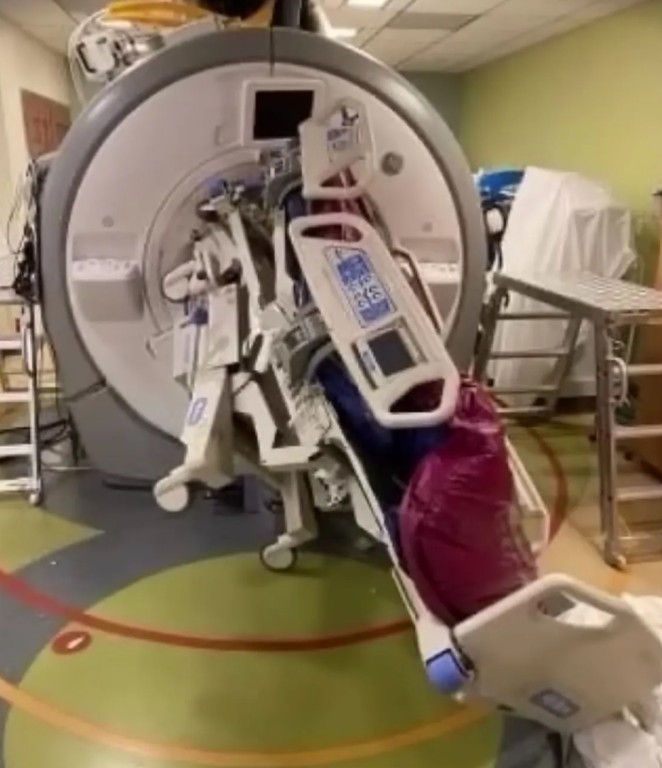
The freak accident unfolded at Nassau Open MRI in Westbury, where McAllister had accompanied his wife, Adrienne Jones-McAllister, for a scheduled imaging of her knee. What should have been a straightforward appointment turned into a nightmare, one that ended with Keith’s life being tragically cut short.
A Routine Appointment Turns Fatal and Video
On the day of the incident, Adrienne was undergoing an MRI scan for knee issues. At some point during the procedure, the technician attending to her left the room and reportedly called her husband in to assist her. The technician, however, allegedly failed to inform Keith that he was wearing an extremely heavy metal necklace a thick chain weighing nearly 20 pounds and did not instruct him to remove it before entering the MRI room.
Mri Accident Video
As Keith stepped into the imaging suite, the MRI’s powerful magnetic field instantly reacted to the metallic chain, pulling him forcefully toward the machine. MRI machines generate a magnetic field up to 30,000 times stronger than the Earth’s, capable of attracting even small metallic items from across the room. In this case, the pull was swift, violent, and irreversible.
Tragically, Keith became physically stuck to the machine due to the chain, and according to his family, he remained trapped against the MRI scanner for over an hour before technicians could safely release him. The injuries sustained during this terrifying episode led to a series of heart attacks, which ultimately claimed his life.
A Family’s Grief and a Technician’s Error
In the aftermath, Keith’s family has spoken out about what they describe as a clear and devastating case of negligence. His stepdaughter, Samantha Bodden, created a GoFundMe page to assist with burial expenses and to tell the public the full story, one she believes was initially misreported.
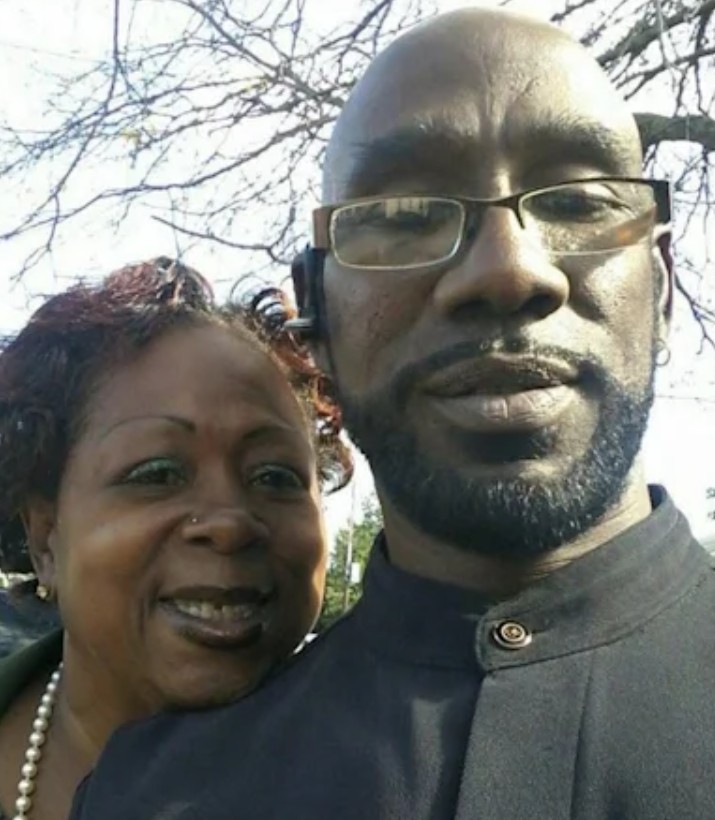
“While my mother was laying on the table, the technician left the room to get her husband to help her off the table. He forgot to inform him to take the chain he was wearing from around his neck off when the magnet sucked him in,” Bodden wrote. She also addressed misinformation circulating in the media: “Several news stations are saying he wasn’t authorized to be in the room when in fact he was, because the technician went and brought him into the room.”
Her statements contradict early reports that suggested Keith entered the MRI room unauthorized. The family insists that the technician invited Keith in, creating a situation that could have and should have been avoided with proper protocol.
The Danger of Metal Near MRI Machines
MRI (Magnetic Resonance Imaging) is a crucial, non-invasive diagnostic tool, but it carries known risks if basic safety rules are ignored. One of the most vital of these is the strict prohibition of metallic objects in or near the MRI scanner. The machines contain powerful superconducting magnets that are always on even when not actively scanning.

These magnets can attract metal items at alarming speeds, turning them into dangerous projectiles. In addition to physical trauma, MRI scanners can cause metallic objects to heat up, potentially resulting in severe burns or internal injuries. This is why every person patient, staff, or visitor is supposed to be thoroughly screened before entering the scanning area.
In this incident, a 20-pound chain not only violated those safety rules, but became the fatal instrument that turned a routine medical visit into a catastrophe.
Emergency Response and Aftermath
Following the incident, Keith McAllister suffered multiple heart attacks brought on by the trauma of being forcefully pulled against the MRI machine. Emergency responders arrived, but the damage was already done. Despite efforts to stabilize him, Keith passed away shortly after the ordeal.
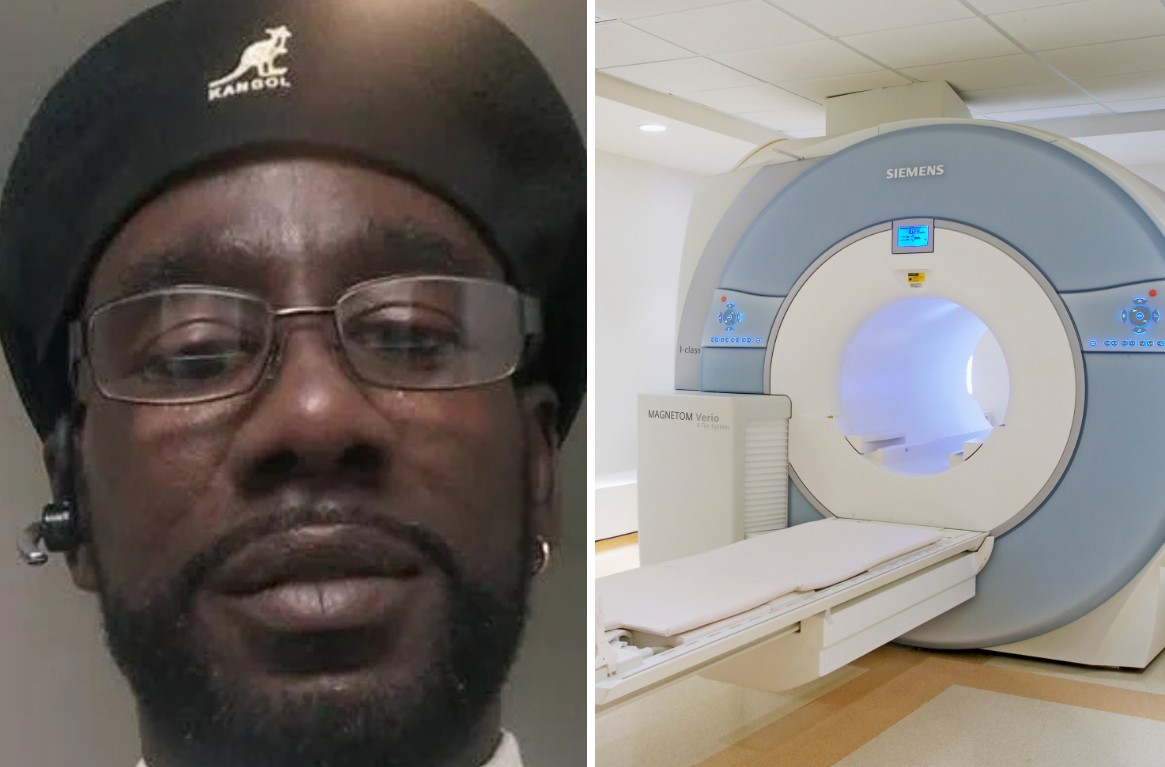
His wife, Adrienne, was not only a witness to the tragedy but was also the person undergoing care at the time. The emotional trauma inflicted on her and their family has been profound, as they try to come to terms with the sudden and horrific loss.
The family’s GoFundMe page serves not only to help with expenses but also to call attention to serious safety oversights that could affect others if left unaddressed.
Institutional and Public Reaction
The incident has sparked intense scrutiny of MRI center procedures. Questions are now being raised about:
Whether the technician had adequate training.
If the facility followed standard pre-entry metal screening protocols.
How such a glaring oversight could occur in a professional medical setting.
As of this writing, Nassau Open MRI has not issued a detailed public statement regarding the incident. However, the center is likely to face internal and possibly legal investigations, especially if the technician is found to have acted negligently.
Medical professionals and safety experts across the country are emphasizing that this tragedy should be a wake-up call. Strict enforcement of MRI room safety procedures is not optional it is life-saving.
MRI Safety: Known Risks and Forgotten Rules
The medical imaging industry is no stranger to warnings about metal near MRIs. Over the years, there have been documented injuries and even deaths involving oxygen tanks, wheelchairs, and other metallic objects accidentally brought into MRI rooms.
What makes this incident particularly jarring is that the danger was not introduced by ignorance on the part of a visitor, but allegedly by a trained technician’s error. This raises alarm bells about gaps in training, oversight, and accountability within some imaging facilities.
All MRI centers are required to conduct metal screenings, provide clear signage, and enforce a strict no-metal policy. Any deviation from these established protocols can result in exactly the kind of tragedy the McAllister family is now enduring.
A Life Lost, A Warning Issued
The death of Keith McAllister is not just a personal tragedy; it is also a public safety concern. It represents a failure at multiple levels: procedural, communicative, and institutional.
His family, devastated and angry, is now using their grief to push for change. Their hope is that no other family will have to experience such a needless and preventable loss. The fundraiser page includes appeals not only for support but also for awareness about the very real dangers lurking behind medical machinery that, while helpful, must be handled with extreme caution.
Moving Forward: Lessons Learned
The incident has prompted calls for:
Enhanced MRI technician training nationwide.
Mandatory double-checks before allowing anyone into MRI rooms.
Updated signage and warning systems at all imaging facilities.
Public education about MRI risks and personal responsibility for metal removal.
Medical associations and imaging clinics may also begin re-evaluating internal protocols in response to this high-profile tragedy. Legal experts suggest that civil action may follow if clear negligence can be proven.
Keith McAllister’s death was a tragedy born not from high-tech failure, but from a human oversight with devastating consequences. His story serves as a somber reminder of how everyday safety measures can mean the difference between life and death.
As his family mourns and the public demands answers, one thing is clear: MRI safety is not negotiable, and vigilance is the only safeguard we have in the presence of such powerful technology.
World News -Daniel Pearl Video Resurfaces Amid Controversy
Aidan Zingg Mammoth Crash Video and Tragedy
Lesandro Junior Guzman Feliz Full Video Resurfaces
Valeria Marquez Video Killed in Suspected Femicide
Gabriel Jesús Sarmiento Video and Real-World Violence
Chris Robinson Hurdles Video and Wardrobe Malfunction
Gaddafi Death and The Final Hours of Libya’s Fallen Dictator