Zaida Catalan Video and UN Horrified by Investigators
The United Nations has expressed deep shock and condemnation after a disturbing video surfaced appearing to show the execution of two UN investigators in the Democratic Republic of Congo (DRC). The footage, screened by the Congolese government to journalists in Kinshasa, depicted the final moments of American national Michael Sharp and Swedish-Chilean dual citizen Zaida Catalán, who had been kidnapped in Kasai Central province. The video has intensified global scrutiny of the ongoing violence in the region and has reignited calls for an independent investigation into the killings.
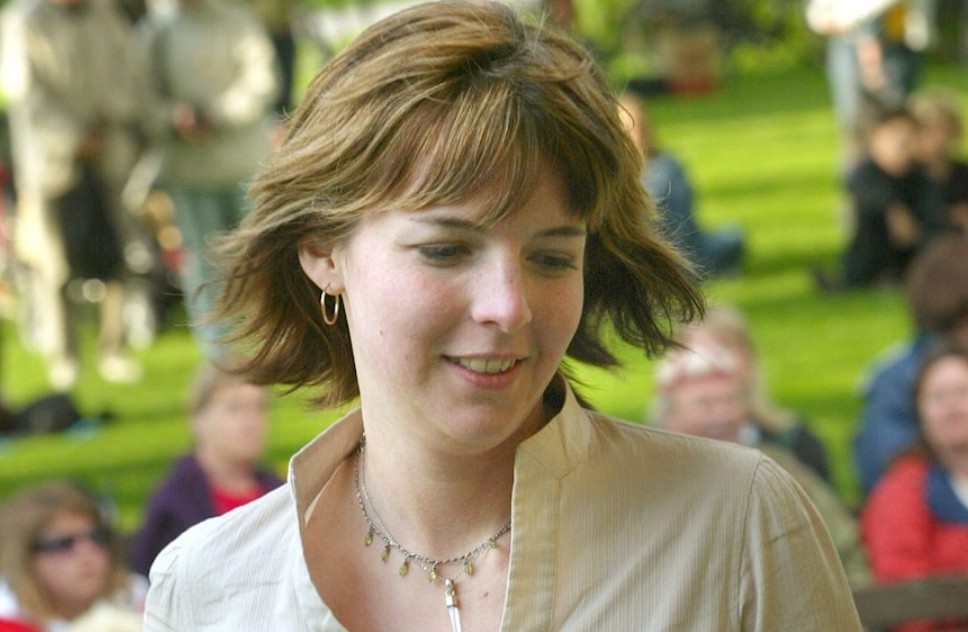
Mission and Video
Sharp and Catalán were part of a UN team assigned to investigate human rights abuses and militia activity in the Kasai region, which has been engulfed in conflict since the rise of the Kamuina Nsapu insurgency. Alongside them was their Congolese interpreter, Betu Tshintela, who was also abducted during the incident. On March 12, the group was seized while traveling in the Kasai Central province during their field mission. For two weeks, their whereabouts remained unknown, prompting international concern and diplomatic pressure for their safe return.
The uncensored video of Zaida Catalán in Congo prompts the United Nations to speak out
Their bodies were discovered later in shallow graves. Evidence showed both had been killed at close range, while Catalán’s remains were found decapitated, adding a further layer of horror to the incident. The brutality of the murders captured global attention and brought the crisis in Kasai closer to international awareness, where prior violence had often been underreported.
The Video Screened in Kinshasa
In an unexpected move, the Congolese government convened journalists in the capital city of Kinshasa to screen a video that allegedly documented the execution of the investigators. Government spokesman Lambert Mende narrated the presentation, stating that the footage demonstrated that the perpetrators were members of the Kamuina Nsapu militia, not government soldiers as some critics had suggested.
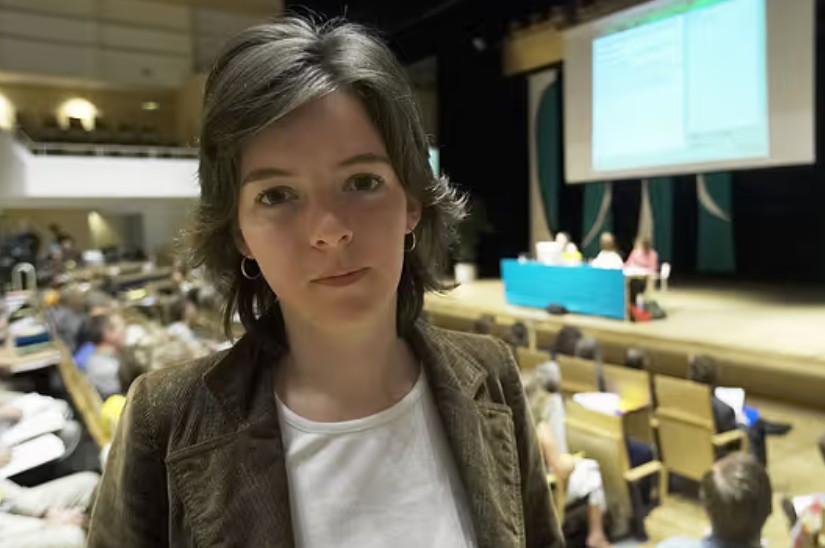
According to journalists present, the footage began by showing Catalán and Sharp walking with a group of men identifiable by the red headbands commonly associated with the Kamuina Nsapu militants. The video abruptly cut, reappearing to show the two seated on the ground. Gunshots were heard. Sharp appeared to be shot first. Catalán, visibly distressed, was then seized and beheaded. The graphic nature of the video deeply disturbed those who witnessed it.
Government representatives claimed the video was originally filmed by the militia themselves and later recovered by security forces during an operation. However, the spokesman provided limited explanation as to how or when the government obtained it. Mende insisted that screening the video was necessary to counter accusations that Congolese security forces had orchestrated the killings.
“Our police and soldiers are accused of being implicated in the assassination of the two UN experts. That is not the case,” he said. “The images speak for themselves.”
UN Reaction and Growing International Outrage
The United Nations reacted with horror and sorrow upon learning of the film’s contents. UN Human Rights Office spokeswoman Ravina Shamdasani stated:
“We are utterly horrified at what appears to be the killing of Michael Sharp and Zaida Catalán.”
The UN emphasized that it had already launched its own investigation into the deaths and urged the Congolese government to cooperate fully. Sweden, Chile, and the United States also demanded immediate clarity, transparency, and justice. For these countries, the loss was not only emotional but symbolic two international peace investigators had been murdered while attempting to address violence and protect civilians.
The video provoked worldwide condemnation, raising serious questions regarding the safety of humanitarian workers in conflict zones and the accountability of armed actors within the DRC.
Government Defense and Political Tensions
The Congolese government has faced mounting criticism both domestically and internationally for its handling of the Kasai conflict and alleged human rights abuses. Several Western nations have imposed sanctions on senior Congolese officials over accusations of excessive force and political repression.
As such, the government’s decision to publicly screen the video was widely interpreted as an attempt to deflect blame and reduce international pressure. Authorities also screened another video, which they claimed showed police officers who had been captured and beheaded by the same militia, as evidence of the group’s brutality.
However, critics argue that the government has been inconsistent in its narrative and may be suppressing information to avoid accountability. Skepticism persists regarding how the government obtained the execution footage, and whether elements within the state may have played an indirect role or allowed the situation to escalate.
The Kamuina Nsapu Insurgency and the Crisis in Kasai
The violence in Kasai traces back to 2016, when Congolese security forces killed Kamuina Nsapu, a local traditional leader who had opposed the central government’s control. His death triggered a widespread uprising among supporters. The militia that formed in his name adopted a fervent anti-government stance, attracting many young recruits.
The conflict has been characterized by extreme violence, ritualistic symbolism, and widespread civilian suffering. The UN estimates that since the uprising began, more than 400 people have died, though local sources suggest the number may be much higher. Entire villages have been destroyed, thousands have fled, and schools and essential services have ceased functioning.
Human rights groups have documented beheadings, mass executions, and recruitment of child fighters by the militia. However, they have also accused Congolese government forces of extrajudicial killings, burning homes, and contributing to the cycle of violence rather than containing it.
Mass Graves and International Pressure
As the conflict escalates, the UN reports having discovered at least 40 mass grave sites across the Kasai region. These findings have raised calls for investigations that may eventually be referred to the International Criminal Court (ICC) if the Congolese government fails to comply with international standards.
Western nations have become increasingly vocal, especially as political tensions surrounding President Joseph Kabila intensify. Kabila remained in power even after his constitutional mandate expired in December 2016, sparking protests and widespread unrest. Critics accuse him of delaying elections to maintain control, while security forces have been condemned for suppressing opposition movements with violent force.
The Quest for Justice
For the families and colleagues of Sharp and Catalán, the video is not merely evidence it is a call for justice. The UN has pledged that it will continue its own investigation, seeking answers to several unresolved questions:
Who ordered the abduction and execution?
Are the perpetrators definitively linked to the Kamuina Nsapu militia?
How did the Congolese authorities obtain the execution footage?
Were state forces complicit, directly or indirectly?
Human rights advocates insist that only a fully independent, internationally monitored investigation can reveal the truth. Given the stakes, any inquiry led exclusively by the Congolese government risks being compromised.
The gruesome video depicting the deaths of Michael Sharp and Zaida Catalán has intensified international concern regarding the deteriorating situation in the Democratic Republic of Congo. More than a shocking display of violence, the footage highlights the complex political crisis, widespread human suffering, and the urgent need for accountability.
As the UN continues its investigation, one reality remains clear: those who seek justice must navigate not only the violence on the ground but also the political tensions that surround it. The world now watches closely, hoping that the deaths of Sharp and Catalán will not be in vain, but will instead serve as a catalyst for transparency, justice, and renewed attention to a conflict too long overlooked.
World News -DoorDash Girl SA Original Video Controversy and Reflection
Nama Cooler Box Unblurred Video and Discovery That Horrified
Balin Miller Death Fall Livestream Video on TikTok, Twitter, Reddit and El Capitan Ascent
Manchester Synagogue Stabbing Attack Shooting Video
Ryan Easley Tiger Video and Oklahoma Attack
Jimmy Kimmel Charlie Kirk Comments Video on Assassination
Edwin Cruz Gomez Video and Death of Jhoanny Gomez-Alvarez